Understanding Chlorine in Drinking Water
Fill a glass from your kitchen tap and take a sniff. If you notice a faint swimming pool smell, you are not imagining it. That smell is chlorine, and it is in almost every public drinking water supply in Ireland and the UK.
If you have ever paused and wondered whether that is okay, you are not alone. Many parents ask me the same question. Is chlorinated water safe for my children to drink every day? It is a fair question, and it deserves a calm, honest answer. The short answer is yes, at the levels used in our water treatment. The full answer is worth five minutes of your time.
Why Is Chlorine Used in Water Treatment?
Chlorine is added to public drinking water for one simple reason. It keeps water safe from germs.
Before the treatment of water became standard, sickness from dirty water was a serious problem across Europe. Chlorine changed that. It kills bacteria, viruses and other germs in the water before it reaches your home. Many experts call it one of the biggest health advances of the last century.
In Ireland, Uisce Éireann adds chlorine during water treatment at the plant. A small amount stays in the water as it travels through the pipes. This is called residual chlorine. It protects the water on its way to your tap. The EPA checks these levels, and the World Health Organization sets limits that Irish and UK supplies must meet.
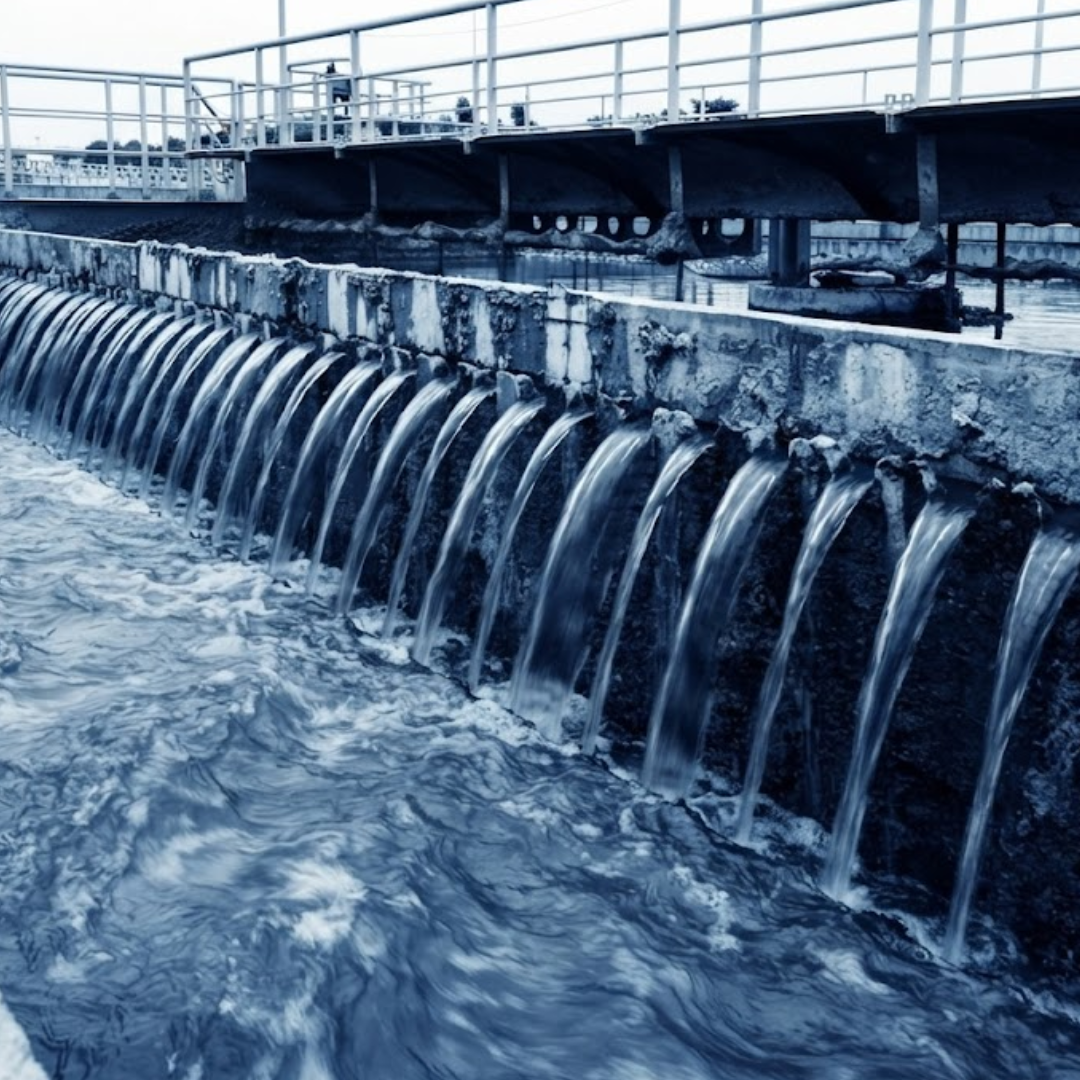
So the first thing to know is this. Chlorine is not in your water by accident. It is there on purpose, and it does an important job.
Is Chlorine in Drinking Water Safe? What the Evidence Says
At the levels found in Irish and UK drinking water, the World Health Organization says chlorine itself is safe to drink. The guideline value is 5 milligrams per litre, and most supplies here sit well below that. That said, there are three areas worth knowing about:
Taste and Smell
The most common effect of chlorine is the simplest one. It changes how water tastes and smells. Some people barely notice it. Others find it so strong that they switch to bottled water. Taste is not a health risk in itself, but it does shape how much water people drink. Good hydration matters for everyone, and most of all for children.
Skin and Hair Comfort
Chlorine does not only reach us through the glass. We also bathe and shower in it. Warm water with chlorine can strip some of the natural oils that protect the skin. Many people link it with dry or tight skin after a shower. Some find their hair feels dull as well. These effects vary from person to person. If you have lasting skin concerns, it is always best to speak with your GP.
Chlorine Byproducts
This is the area researchers watch most closely. When chlorine meets natural matter in water, it can form new compounds. These are called byproducts. The best known group is trihalomethanes, or THMs for short.
THM levels in public supplies are checked and controlled. The EPA reports on them every year in Ireland. Long term research has looked at possible links between high THM levels and health, and the science here is careful and measured. Rules keep THM levels low as a safety step, and most supplies meet the legal limits. Health bodies agree on one point. The proven benefit of treated water far outweighs the possible risks of byproducts. No one should stop drinking treated water out of fear.
Should You Worry About Water Quality at Home?
Concern is the wrong word. Awareness is the right one.
The chlorine in your tap water is doing a genuinely protective job, and the levels are controlled. There is no need for alarm. There is no need to switch to bottled water either. Bottles bring their own costs and plastic waste.
At the same time, it is fair to prefer water without the taste, the smell, or the residual chemicals. Chlorine has finished its work by the time water reaches your home. The germs it was added to control have already been dealt with in the network. Removing it at your front door takes nothing away from your safety. It simply gives you fresher water for drinking, cooking, bathing and washing.
This is why home carbon filters have become so popular in Ireland and the UK. Carbon is very good at removing chlorine. It also removes the taste, the smell, and many of the compounds linked to byproducts.
How to Remove Chlorine at Home
If the chlorine in your water bothers you, the most complete answer is to treat it where it enters your home, not just at one tap. That way every shower, every bath and every appliance benefits, not only your drinking glass.
The RED Whole House Chlorine Removal System from Renewell Water does exactly this. It uses activated carbon to reduce chlorine and related compounds across the whole home. It keeps the natural minerals in your water. It cleans itself, needs one service a year, and expert installation is included across Ireland and Northern Ireland.
Renewell Water is the best rated water filtration company in Ireland, with more than 2,000 five star reviews from households across the country. You can read them at renewellwater.com/reviews.
Chlorine keeps public water safe, and that matters. The levels in Irish and UK supplies are checked and controlled, so there is no cause for alarm. If the taste, the smell, or the thought of byproducts bothers you, removing chlorine at the point of entry is a simple and sensible step. If you need anything, feel free to book a consultation, we will be here to support you.
Renewell Water offers a free consultation for you. Book it by clicking here.