Two things in Irish water can change how your hair looks and feels. Hard water leaves calcium and magnesium on each strand, which can make hair dull, rough and tangly. Chlorine, added to keep mains water safe, can leave hair feeling drier. Spotting which one affects your home helps you choose the right fix.
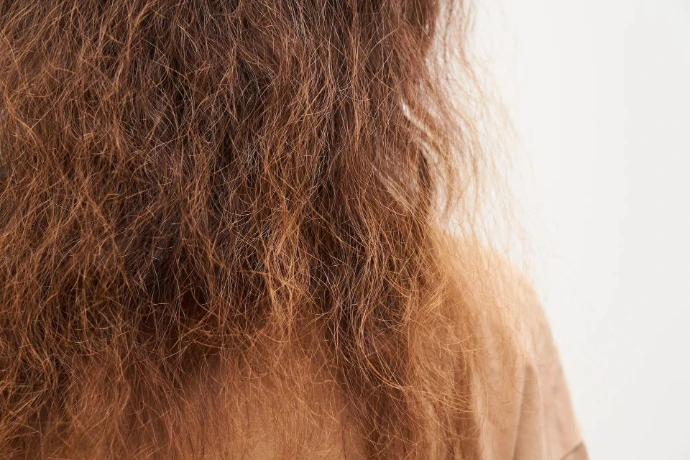
You bought the good shampoo. You tried the conditioner your hairdresser swears by. And still your hair comes out of the shower flat, dull and hard to brush. Before you blame yourself or your products, have a think about the water you're washing it in.
We tend to treat water as the neutral part of the routine. But it's the one thing that touches your hair every single wash, before and after every product you use.
What's in Irish water that affects your hair?
There are two main things to know about.
The first is hardness. Uisce Éireann describes hard water as very common in Ireland's drinking supply. It comes from natural minerals the water picks up from rock and soil. Uisce Éireann is also clear that hard water is not harmful to your health. The trouble is practical.
The second is chlorine. According to the EPA's Drinking Water Quality in Public Supplies 2025 report, every Uisce Éireann plant disinfects water before it reaches homes. That's done with chlorine, ultraviolet light or both. Chlorine keeps our water safe from bacteria, so it's there for a very good reason. A small amount still reaches your taps and shower.
Many homes deal with both at once. They affect hair in different ways, so it helps to look at them separately.
How does hard water affect your hair?
Researchers have studied this in a few ways, and the picture is honest rather than dramatic.
A 2013 study in the International Journal of Trichology soaked hair in hard water for 30 days. It found no real change in the strength or stretch of the hair. A later microscope study found more mineral salts sitting on hair washed in hard water. Another study with 76 volunteers did find that hair washed in hard water was weaker.
So the science is still mixed on strength. But the studies agree that minerals settle on the hair. That coating is what you feel and see at home.
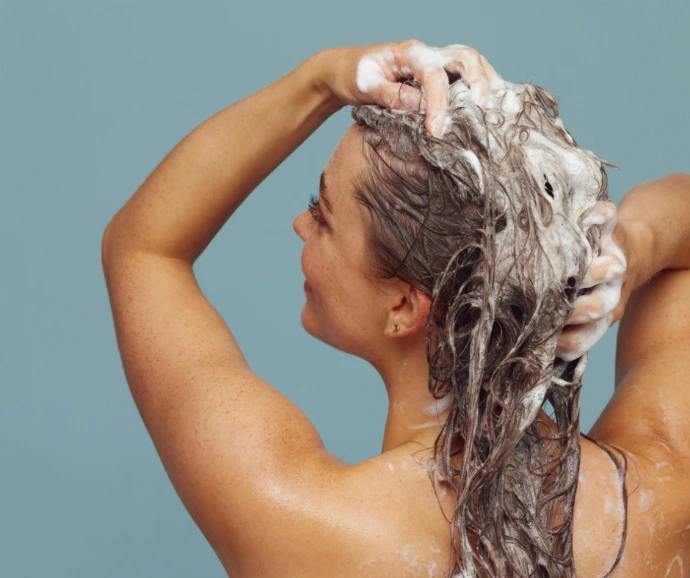
Hard water also reacts with shampoo. The minerals cut down the lather and leave a residue behind. So you use more product, and your hair can still feel heavy afterwards.
How does chlorine affect your hair?
Chlorine works by reacting with things it touches. That's what makes it good at killing germs. It's also why it can strip away some of the natural oils that help hair look smooth and shiny.
It's worth being careful here. Most of the research on chlorine and hair comes from swimming pools, where hair soaks for long periods. A shower at home is a different situation. Even so, many people say their hair and scalp feel drier on chlorinated water. You may also notice that familiar swimming pool smell when you run the tap.
What are the signs your water is affecting your hair?
Here are the everyday signs I hear about most often from families.
Your hair looks dull
Healthy hair reflects light. A mineral film scatters it instead, and losing natural oils can do the same. If your hair looks flat even on a good day, your water may be part of the reason.
It feels rough or dry
Run your fingers down a strand after it dries. If it feels a bit like straw, minerals may be sitting on the surface. Chlorine can add to that dry feeling too.
Your shampoo barely lathers
This one points to hard water. The minerals react with soap and cut down the foam. So you pour on more shampoo, and your bottle runs out faster.
It feels heavy or waxy after washing
That same reaction leaves a residue behind. Freshly washed hair can feel coated, limp or slightly sticky. Fine hair tends to show this most.
Tangles are harder to brush out
A rough surface catches on itself. This is often most obvious with children's hair, where knots seem to appear out of nowhere after bath time.
Colour loses its shine sooner
Many people with coloured hair notice the finish going flat sooner than expected. A mineral coating on top can dull the look of colour, even when the dye itself is still there.
Your scalp feels tight or flaky
Some people notice their scalp feels drier on hard or chlorinated water. It can also be product residue that doesn't rinse away well. If you notice hair loss or scalp discomfort that doesn't settle, have a chat with your GP or pharmacist. Water is rarely the whole story there.
How can you tell what's affecting your home?
Your home usually gives you clues before your hair does.
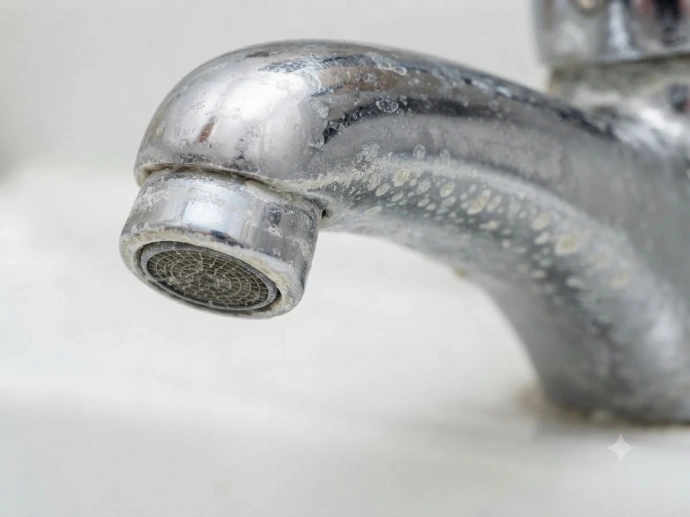
For hard water, look for white scale in the kettle, cloudy spots on glasses, and chalky marks around taps and shower heads. You can also enter your Eircode on the Uisce Éireann hard water page. It shows how much calcium carbonate is in the water supply to your area.
For chlorine, trust your nose. A swimming pool smell from the tap, or tea that tastes a little off, are common clues.
What can you do about it this week?
A few small habits can help while you look at the bigger picture.
Use a clarifying shampoo now and then, not every day, to lift off buildup. Follow with a good conditioner or a leave in treatment to put moisture back. Clean your shower head regularly, as scale there affects the spray too. And go easy on heavy styling products, which can trap minerals on the hair.
These steps help, but they treat the hair rather than the water. The same water keeps arriving with every wash.
Is there a lasting fix for your water?
Yes, and it starts with treating the water rather than the hair.
For households dealing with hard water, we recommend the Blu Maxi Water Softener. It's installed on your incoming mains supply, so soft water reaches every tap and shower. It uses Clack valve technology for reliable softening, and professional installation is included across Ireland and Northern Ireland.
If chlorine is the bigger issue in your home, a softener isn't the right tool, as it doesn't remove chlorine. For that, we have the RED Whole House Chlorine Removal System. It's also fitted where the mains enters your home, so it reduces chlorine at every tap and shower.
Your hair care routine should be the easy part of your day. Sorting out the water is often the step that makes everything else work. Renewell Water is Ireland's Number 1 rated water filtration company, and you can read what our customers say here.
Renewell Water offers a free consultation for you. Book it by clicking here.